Bloating After Meals: Dietitian Approved Fixes

Feeling bloated after meals is extremely common. Many people assume it means they have a specific food intolerance, but bloating is often influenced by how we eat, digestion efficiency, gut bacteria, and meal composition, not just one “trigger food.”
Before eliminating large food groups, it helps to address some of the most common and fixable causes of post-meal bloating.
1. Slow Down While Eating
Eating quickly increases the amount of air swallowed and can overwhelm the digestive system. When meals are rushed, the stomach receives large amounts of food before digestive signals have time to activate. This can lead to gas, pressure, and discomfort shortly after eating.
Practical strategies include:
Taking smaller bites
Chewing food thoroughly
Pausing between bites
Avoiding eating while stressed or distracted
Even small changes in eating pace can significantly improve digestion.
2. Balance Meals With Protein, Fat, and Fiber
Meals that rely heavily on refined carbohydrates or sugar can ferment quickly in the gut and contribute to gas production.
Balanced meals slow digestion and support more stable blood sugar.
A practical structure includes:
A protein source (eggs, fish, chicken, yogurt, tofu)
Healthy fats (olive oil, avocado, nuts)
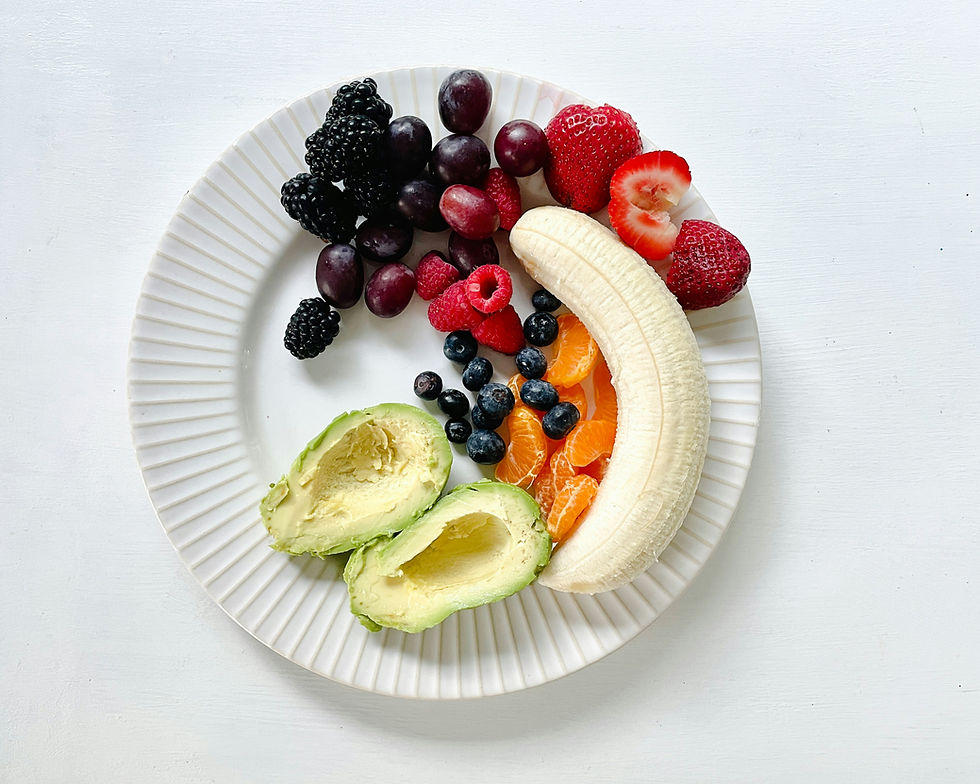
Fiber from vegetables, fruits, or whole grains
Balanced meals tend to reduce sudden bloating and improve overall digestive comfort.
3. Watch Portion Size of High-Fermentable Foods
Certain foods are naturally more fermentable in the gut. These include foods high in FODMAP carbohydrates, such as:
Onions and garlic
Beans and lentils
Some fruits (apples, pears)
Wheat-based foods
Dairy for those sensitive to lactose
These foods are not unhealthy, but large portions can produce gas in some individuals. Often the solution is portion adjustment, not full elimination.
4. Support Gut Motility
Digestive motility refers to how efficiently food moves through the gastrointestinal tract. When movement slows, gas can build up.
Habits that support motility include:
Gentle walking after meals
Regular physical activity
Adequate hydration
Consistent meal timing
Even a 10–15 minute walk after meals can reduce bloating for many people.
5. Reduce Carbonated Beverages
Carbonated drinks introduce gas directly into the digestive system. For people prone to bloating, frequent intake of sparkling water, soda, or other carbonated beverages can worsen symptoms.
Switching to still water or herbal tea often reduces post-meal pressure and fullness.
6. Consider Gut Microbiome Balance
Persistent bloating can sometimes be related to gut microbiome imbalances or conditions such as irritable bowel syndrome.
In these cases, gradual dietary changes may help, including:
Increasing fiber diversity slowly
Adding fermented foods such as yogurt, kefir, or kimchi
Supporting consistent meal timing
These strategies help support a healthier microbial environment in the gut.
The Bottom Line
Bloating after meals does not always mean a specific food is “bad” for you. More often, it reflects digestive patterns, meal composition, portion size, or lifestyle factors. Simple strategies such as slowing down while eating, balancing meals, adjusting portions of fermentable foods, and supporting gut motility can significantly reduce bloating for many people. If bloating is persistent, severe, or accompanied by other symptoms such as unexplained weight loss, severe pain, or changes in bowel habits, evaluation by a healthcare professional is recommended.


Comments